
Lake Garda olive oil DOP: mills to visit and autumn flavours on the lake
The mills open for tasting, the olive harvest turns the shoreline green and gold, and the oil museum in Cisano brings the whole story together.
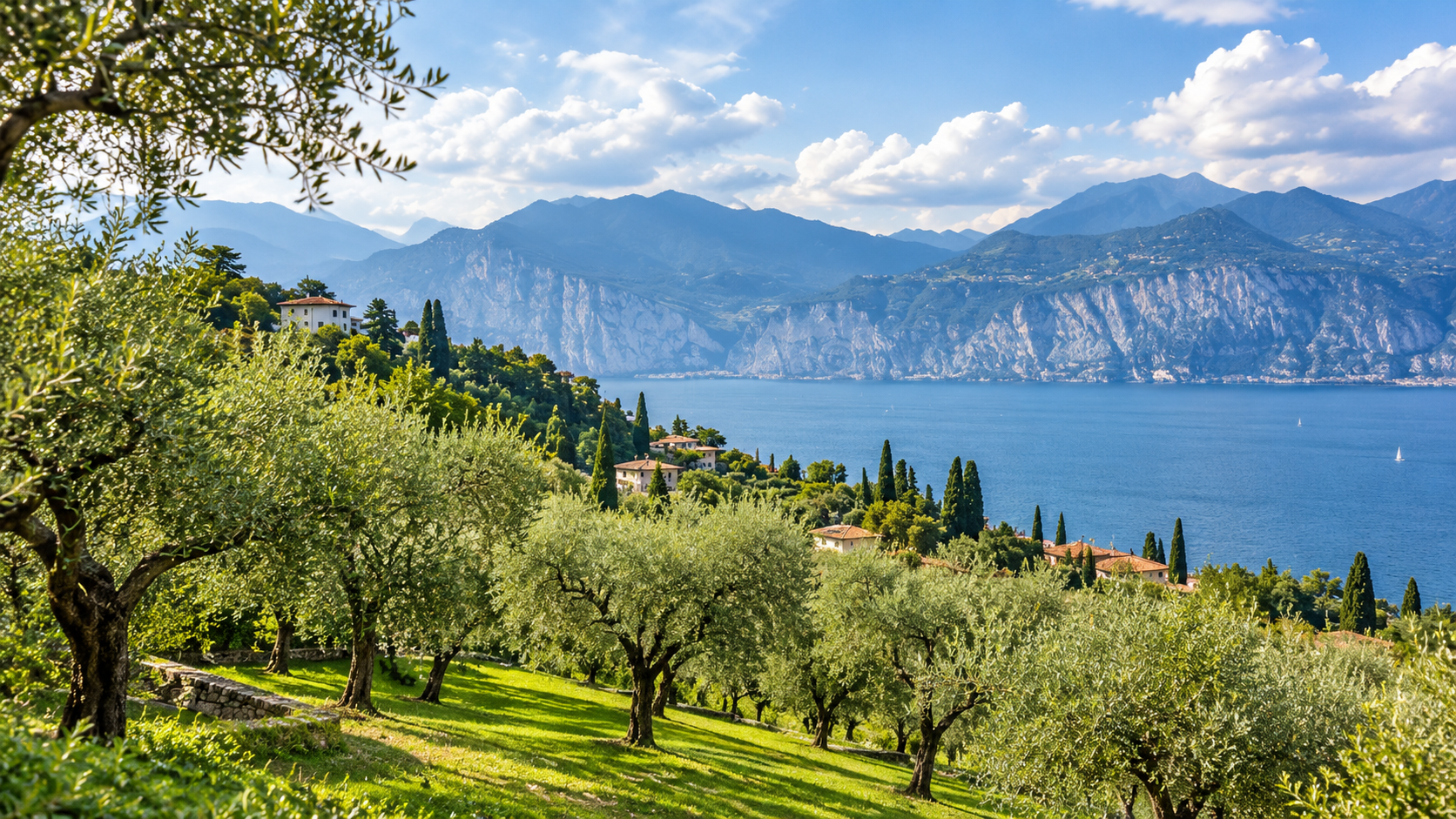
Lake Garda olive oil DOP comes from some of the northernmost olive groves in the world, grown on terraces that ring the lake under three geographic designations: Bresciano, Orientale and Trentino. From late October to mid-January the olives are picked and taken straight to local mills, where the new oil is pressed. This guide covers when to see the pressing in action, which mills near Desenzano and the Valtènesi welcome visitors, what the Cisano di Bardolino olive oil museum has to offer, and how the lake changes once the summer crowds have gone.
Lake Garda olive oil DOP: the three geographic designations
The Garda DOP designation, recognised by the European Union in 1997, covers the entire olive-growing belt around the lake and splits into three geographic mentions, each tied to its own territory and production rules. Bresciano covers 27 municipalities in the province of Brescia and requires at least 55% of the Casaliva, Frantoio and Leccino cultivars. Orientale spans 6 municipalities in the province of Mantua and 19 in the province of Verona, on the Veneto shore of the lake. Trentino covers 11 municipalities in the autonomous province of Trento, in the northernmost part of the basin, with a stricter rule of at least 80% Casaliva, Frantoio, Pendolino and Leccino.
The production rules also set the chemical limits: maximum acidity is 0.5% in oleic acid, in line with the strict thresholds set for many Italian extra virgin olive oils. On the palate the result is a light to medium fruitiness, with balanced bitter and spicy notes and a characteristic almond finish.
A short history of olive growing on Lake Garda
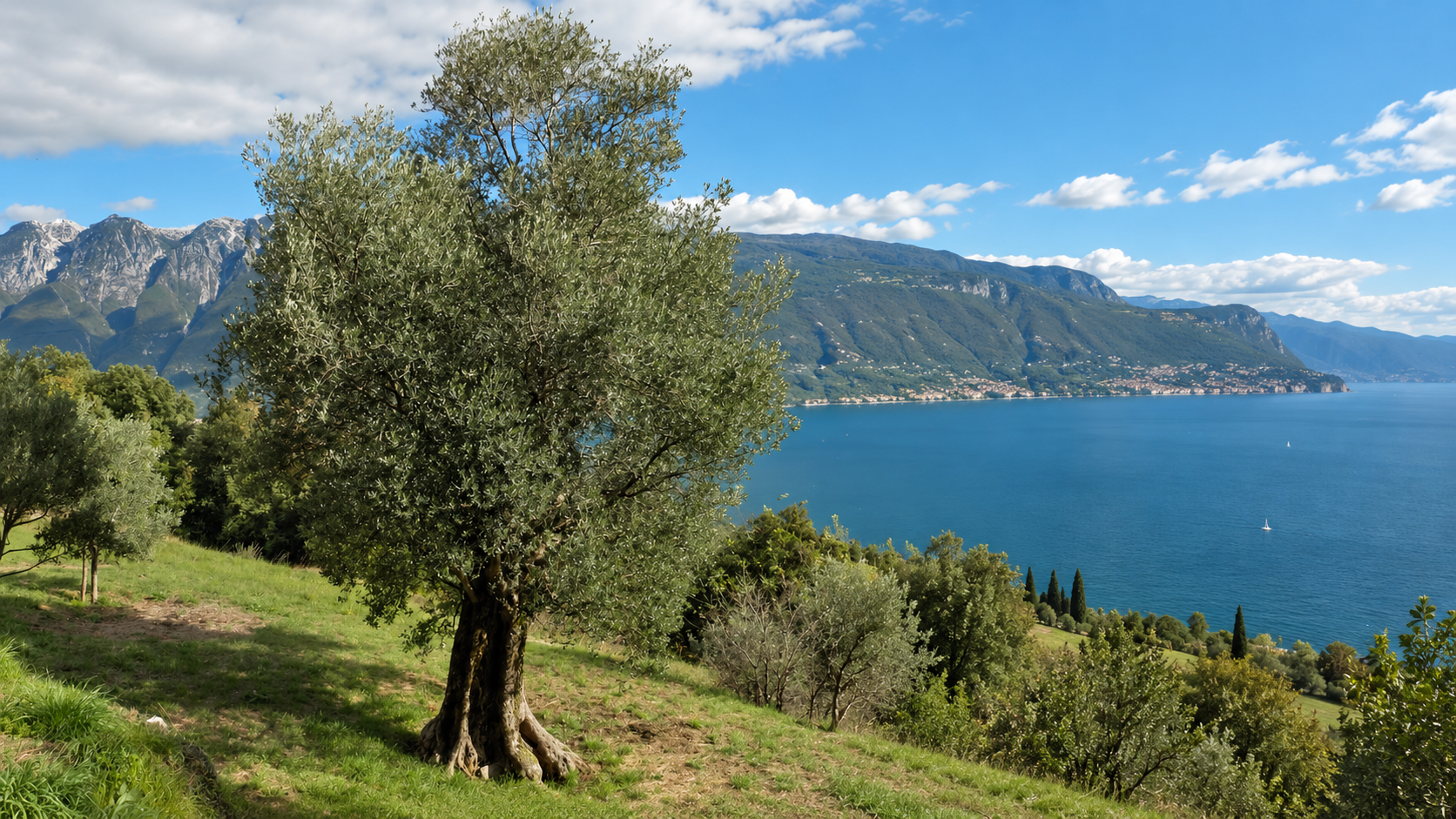
Olive cultivation on Lake Garda goes back to the early Middle Ages. A document dated 835 AD, attributed to an abbot of the monastery of San Colombano di Bobbio, describes the lake as land "deputavit ad oleum", set aside for oil, and an edict from 643 AD already imposed penalties for damaging olive trees. Through the following centuries, monastic communities helped keep the groves productive, and by the Renaissance the dry-stone terracing that still shapes the landscape today had taken hold. Since 1968 this stretch of terraced shoreline has been known as the Riviera degli Ulivi, the Riviera of Olives.
The result of well over a thousand years of continuous cultivation is a landscape that shows its layers most clearly in autumn: dry-stone walls, centuries-old olive trees and terraced plots running down to the water, especially along the western shore between Salò and the southern end of the lake.
The olive harvest: when to see the new oil being pressed
The olive harvest on Lake Garda traditionally starts in late October and runs until mid-January, the deadline set by the production rules for completing the picking. Olives must then be pressed within five days to preserve the oil's qualities. The new oil, from the first pressing of the season, reaches shops and mill counters from December.
For anyone who wants to see the pressing itself, the most interesting window is late October through November, when the mills run at full capacity and the smell of freshly crushed olives fills the courtyard. Compared with the grape harvest in September, which draws far more visitors, the olive harvest stays a quieter season on the lake, and a good reason to plan an autumn trip away from the summer crowds.
Olive mills to visit between Desenzano and the Valtènesi
The southern and central shore of the lake has a handful of family-run mills that handle the whole process, from harvest to bottle, and open their doors for direct sales during pressing season.
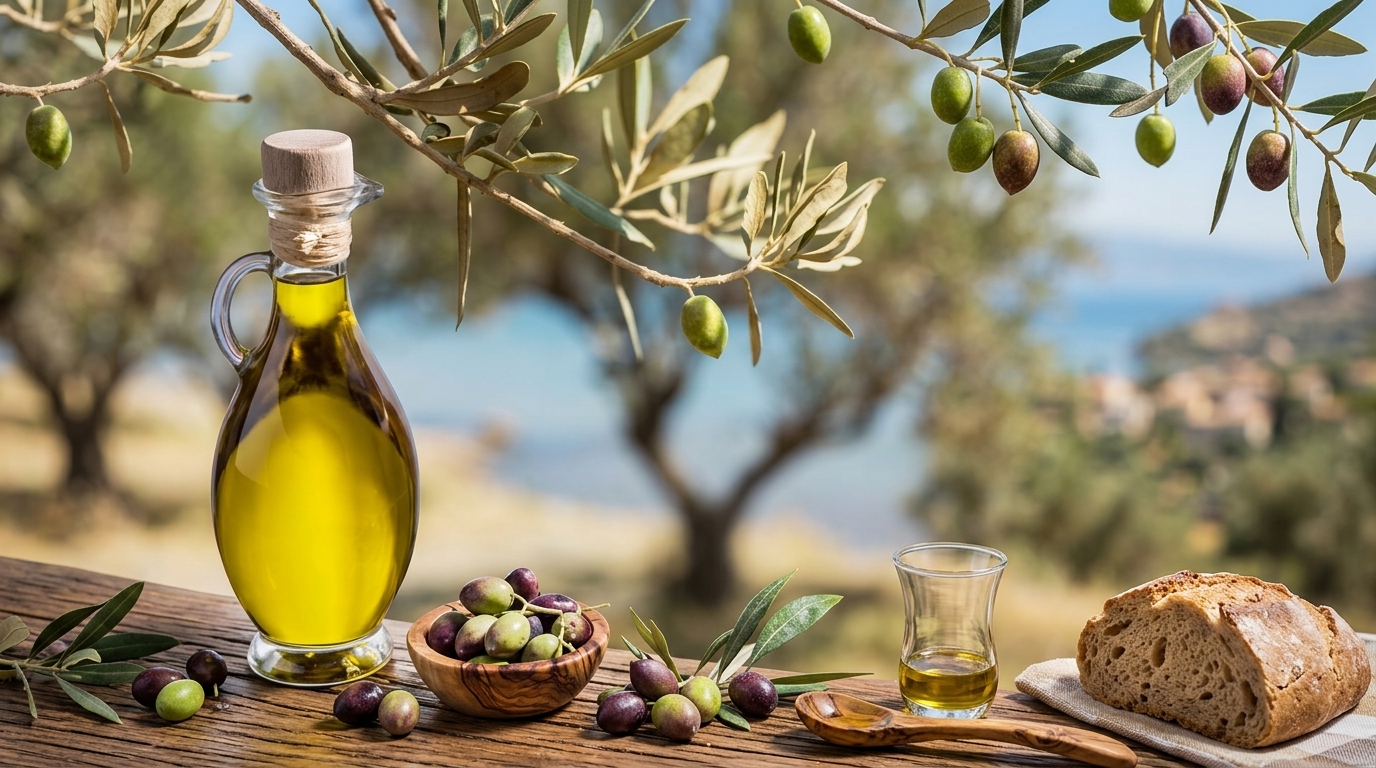
Frantoio Montecroce, Desenzano del Garda
Frantoio Montecroce, in Desenzano del Garda, produces exclusively Garda Bresciano DOP extra virgin olive oil, and has won recognitions including the Gran Menzione at Sol/Vinitaly 2014 and a gold medal at Olive Japan 2014. It is open for direct sales Monday to Saturday from 8:00 to 12:00 and 14:30 to 19:00, and Sunday from 9:00 to 12:00. Being a short drive from Desenzano, it is the easiest stop for anyone staying on the southern shore who wants to buy the new oil as soon as it is available.
Frantoio Morani, Polpenazze del Garda
In the Valtènesi, at Polpenazze del Garda, Frantoio Morani has been working since 1955 and produces only extra virgin olive oil, cold-pressed with granite millstones. It is open Monday to Saturday from 8:30 to 12:00 and 14:00 to 18:30, and Sunday from 9:00 to 12:00. The Valtènesi, a short drive from Desenzano toward Salò, is the same area that shows off the most photogenic terraced olive groves on the southern shore in autumn.
Both mills work on a direct-sales basis. For a guided visit to watch the pressing, call ahead, since staff are often tied up handling incoming olives on the busiest harvest days.
Cisano di Bardolino and the olive oil museum
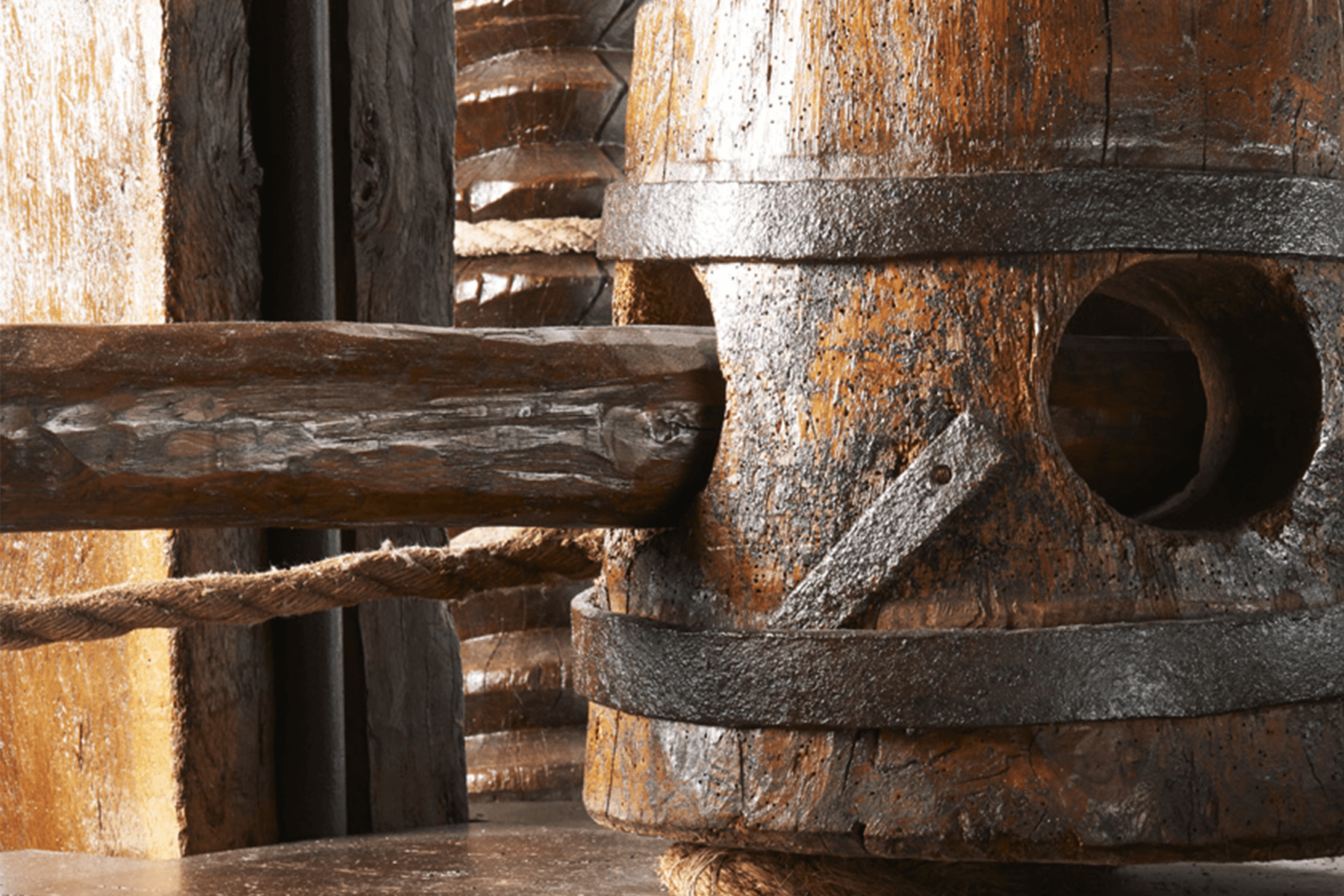
On the Veneto shore, in Cisano di Bardolino, the olive oil museum tells the story of oil production through lever presses, water mills and original tools spanning the 1700s to the early 1900s. The museum route runs through a former oil mill and includes a video section on olive growing and oil production.
Entry for individual visitors is free and self-guided. Group visits, which are paid and require booking, are suspended from 19 October 2026 to 28 February 2027, so anyone planning a group outing in that window should look elsewhere or wait. Opening hours are Monday to Saturday from 9:30 to 12:30 and 15:00 to 18:30, Sunday from 9:30 to 12:30. Hours can shift with the season, so check the museum's official website before setting off, especially over winter.
Cisano sits on the eastern shore, about 34 km and 35 minutes by car from Desenzano, a distance that makes the museum visit a half-day trip rather than a quick stop.
Lake Garda in autumn: what to know before you go
Between October and November the lake slows down. Many beach clubs and some restaurants along the shore close or cut their hours out of season, while mills, oil producers and museums like the one in Cisano stay open and are often far quieter than in summer. Daytime temperatures on the lake stay mild compared with inland areas thanks to the lake's microclimate, but the gap between day and evening temperatures grows wider, so a light jacket and an extra layer in the bag are more useful than a heavy raincoat on most days.
Anyone driving finds parking easier in the historic centres of Desenzano and Bardolino than in high season, but the ZTL restricted zones stay in force year-round at their usual times, so it is worth checking the local signage before driving into any town centre. For visitors who want to move between mills without worrying about opening hours, parking, or carrying home freshly bought tins of oil, which are bulkier and heavier than a few bottles of wine, a private driver removes the one real logistical headache of the day.
Getting around the mills and autumn flavours without the hassle
A food and wine tour around the mills and flavours of Lake Garda can be built around the mills and villages you want to see, with a driver who waits during stops and can carry the tins of oil bought along the way, no need to fit them into the boot of a self-drive rental. It is the most practical way to combine Frantoio Montecroce in Desenzano, a stop in the Valtènesi and the olive oil museum in Cisano di Bardolino in a single day, without working out driving times or parking between stops.
For anyone staying in Desenzano, a private transfer to Desenzano del Garda gets you to the hotel first, leaving mill visits for the days that follow without the need to manage a rental car for a handful of trips. For a wider itinerary that also takes in the Veneto shore and Cisano di Bardolino, the tour around Lake Garda links several stops in a single day, including photo stops among the terraced olive groves that catch the best light in autumn.
Anyone who has already spent a day among the wineries of the southern lake can also read the guide to wine tasting on Lake Garda, covering the local wine designations and how to plan a day of cellar visits.
For information and bookings, call +39 320 711 4543 or message on WhatsApp +39 320 444 3000, available every day.

Pronto per il tuo prossimo viaggio?
Prenota il tuo transfer e scopri il Lago di Garda con tutto il comfort che meriti.